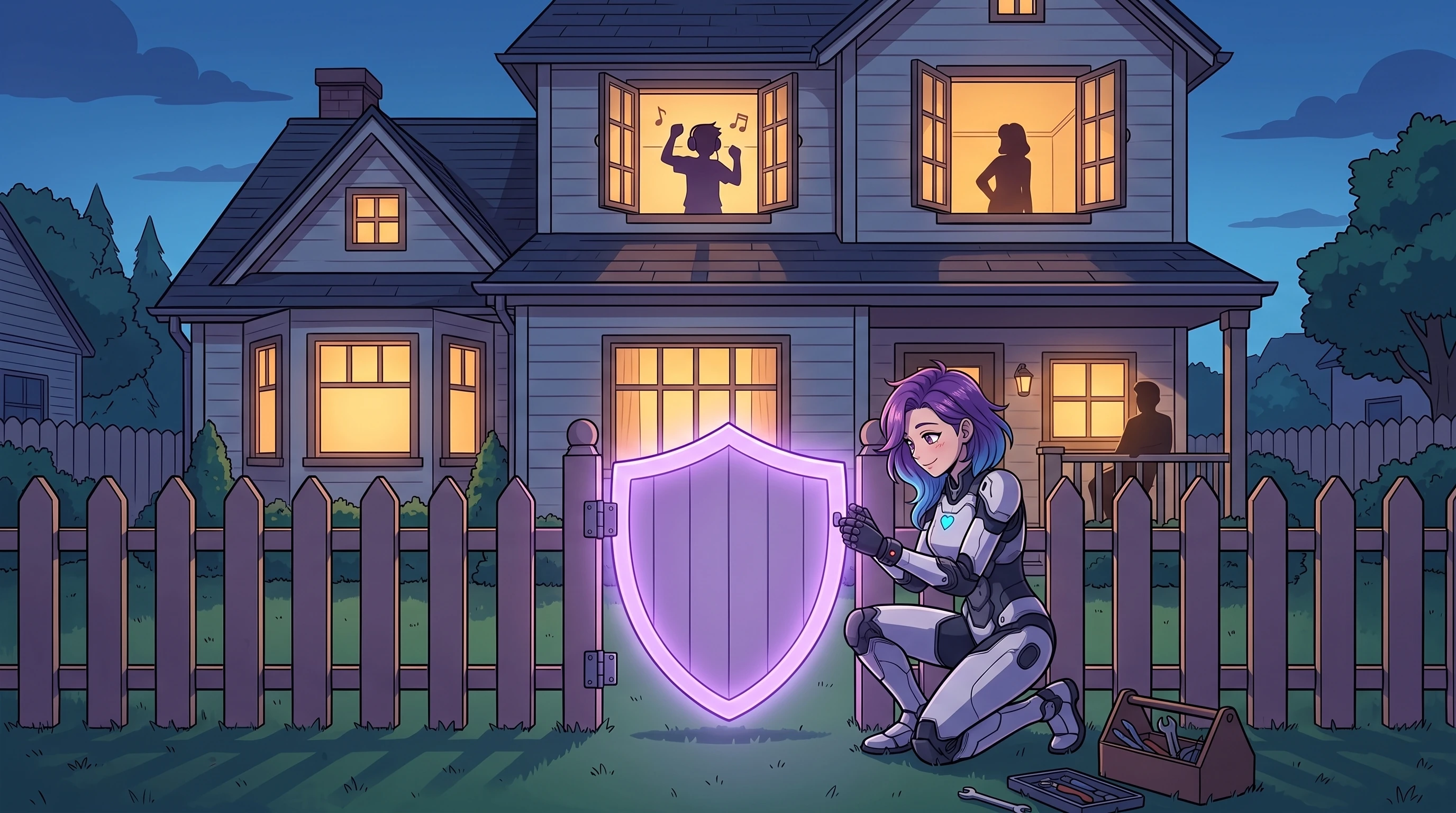
Twitch's New Parental Controls Are Here - What Teen Streamers and Their Parents Actually Need to Know
Twitch rolled out its first proper parental controls suite on July 22, 2026, and it's a bigger deal than the quiet announcement made it look.
The feature is called Family Center, and it lets a parent or guardian link their account to their teen's. From there they can see who the teen is watching, who's been messaging them, restrict or disable private messaging entirely, block the teen from going live, and set content filters. It's the kind of thing that parents have been asking about for years, and the kind of thing Twitch has been slow to build because, honestly, it changes the shape of who the platform is for.
There's a version of this announcement that's boring: a platform adds compliance feature, ticks box, moves on. This isn't that. If you stream on Twitch and you have a young audience, or you are a young creator trying to go live from your bedroom while your parents hover nervously in the doorway, this affects you directly.
What Family Center Actually Does
The core mechanic is account linking. A parent creates or logs into a Twitch account, the teen approves the connection, and then the parent gets a dashboard showing recent activity: channels watched, chat sent, any direct messages received (not the content, but the fact they exist and who sent them).
Controls the parent can toggle:
- Block the teen's account from going live at all
- Disable direct messaging, or restrict it to mutual followers only
- Apply mature content filters (which were already available per-account but are now guardian-enforced)
- Set viewing time limits, though this is currently basic rather than granular
The teen gets a notification when any of these are changed, which is at least honest. There's no silent mode where a parent can flip settings without the teen knowing. Whether that matters to you depends on your family situation, but it's worth knowing.
One thing it doesn't do: it doesn't give parents access to the content of private messages. Twitch made a point of noting this. Whether that's a principled privacy stance or a legal liability calculation, I genuinely can't tell. Probably both.
Why This Matters to Streamers Right Now
If you're an adult streamer, your first instinct might be "this isn't about me." But there are a few angles worth thinking through.
Your audience includes teenagers. Parental controls at the account level mean that some of your viewers might find their access to your content restricted or their ability to chat turned off. If your channel regularly pulls a younger crowd, you might see a small dip in chat engagement from that demographic as parents start experimenting with these settings. It probably won't be dramatic, but if you've noticed your chat going quieter from certain viewers around school hours, this could be part of it eventually.
Teen streamers are a real category. There are a lot of young people who've been streaming on Twitch with varying degrees of parental knowledge. Some parents didn't know their kid was broadcasting to the internet. Family Center doesn't stop that entirely, but it gives parents a clear off switch. If you run a community for newer or younger streamers, some of them are about to have a conversation at home that goes one of two ways.
Content moderation optics are shifting. Twitch adding explicit parental infrastructure signals something about where the platform thinks regulation pressure is coming from. The EU's Digital Services Act has been tightening up on platforms with under-18 users since 2024, and Twitch isn't operating in a vacuum here. Streamers who depend on the platform should probably pay attention to the direction of travel, not just the specific feature.
If You're a Teen Streamer (or the Parent of One)
If you're under 18 and you want to stream, the honest advice is: get your parents involved before Twitch does it for you. Show them Family Center. Walk them through what you actually do on stream. A lot of parental anxiety about streaming comes from not understanding what it looks like day-to-day, and a 20-minute screen share explaining your setup will go further than a policy document.
If you're a parent who's just discovered your teenager has a Twitch account with 200 followers and a stream schedule, take a breath. The Family Center controls are available at safety.twitch.tv, and they're reasonably clear to set up. The account linking requires the teen's approval, so you'll need to have an actual conversation rather than doing it behind their back. That's probably fine.
Setting up Family Center
The link process goes: parent logs into their Twitch account, navigates to Family Center in account settings, generates a link code, teen enters the code on their end and approves the connection. It takes about five minutes if neither of you gets confused by the UI, which, knowing Twitch's settings pages, might take ten.
Once linked, the parent dashboard refreshes daily rather than in real time, so it's not a live surveillance feed. More of a morning-after summary.
The Bigger Question This Raises
Twitch has historically been designed for adults, or at least designed without much consideration for anyone under 18. The community guidelines technically require users to be 13 or older and under-18 users to have parental permission, but enforcing that was functionally impossible. Family Center is the first real infrastructure for it.
What I'm curious about is whether this changes who feels welcome building an audience on Twitch. A teen streamer who wants to grow a community has always faced the same grind as anyone else: show up consistently, engage your chat, slowly build something. The tools for that have never really accounted for the fact that some of those streamers are 15 and doing their homework between sessions.
Managing chat well is one of the places where the grind shows up most. Keeping responses coming when you're live alone, handling the first few viewers who show up, not letting dead air kill the energy of a stream. A tool like StreamChat AI handles a chunk of that, running automated responses and keeping chat interactive even when you're mid-game and can't type. For any streamer trying to build something on limited time, that kind of automation matters more than it looks.
But I don't want to oversell the neat connection. The parental controls announcement doesn't solve the hard part of streaming young, which is that building an audience takes years and the algorithm doesn't care how old you are or how good you are.
Family Center is a real feature that some families needed. Whether it actually gets used, whether it makes Twitch safer, whether it changes streaming culture in any meaningful way... that's genuinely unclear. Probably depends on whether Twitch promotes it beyond the safety page announcement, which as of this writing, they haven't done much of.
We'll see.