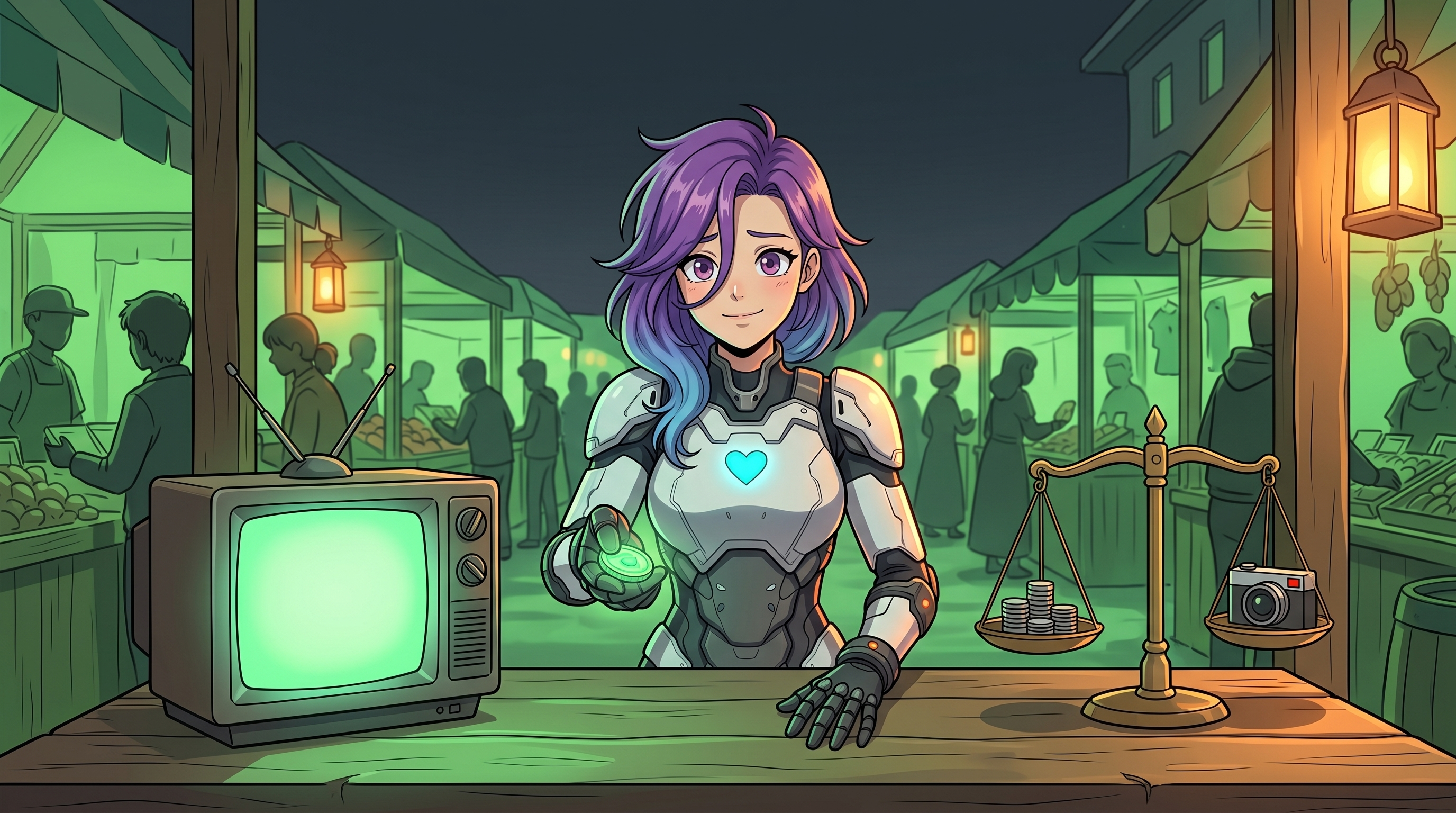
Kick Just Turned On Ads: Here's What It Actually Means for Your Channel
Kick's ad rollout went live on August 6, 2026, and the streaming internet has had predictably strong feelings about it ever since.
Some streamers are relieved - finally, another way to earn money beyond subscriptions and tips. Others are already worried about mid-rolls killing their momentum at the worst possible moments. Both reactions make sense. Kick built its early reputation partly on being the place that didn't do that stuff, so this is a genuine shift in what the platform is.
Worth getting into what's actually changing, and what you should probably do about it.
What Kick Actually Launched
The official announcement framed this as a direct line to Gen Z audiences for brands, which is marketing-speak but also... accurate. Kick's demographic skew is younger than Twitch's at this point, and advertisers have noticed. The platform launching ads isn't a surprise if you've been paying attention - it was always going to happen once Kick reached enough scale to sell the audience.
What this means in practice: display and video ads are now live on the platform. Kick is positioning this as a creator revenue opportunity, not just a platform revenue grab, so there's meant to be a share going to streamers. The specifics of that split are the thing I'd be watching closely over the next few weeks as more creators report their actual numbers.
The comparison people keep reaching for is Twitch's early ad rollout, which went... poorly, for a while. Pre-rolls that viewers couldn't skip, ad breaks that fired at random, mid-roll timing that felt completely disconnected from what was happening on stream. Kick has the advantage of learning from that history. Whether they've actually applied those lessons is a different question.
The Viewer Experience Problem
Ads and live streaming have always had an awkward relationship, and it comes down to one thing: live content has no natural break points that the platform can find algorithmically.
With YouTube VOD, you can place ads at scene changes, chapter markers, natural pauses. With live streaming, the platform either fires ads at a set interval regardless of context, or it gives the streamer manual control over when breaks happen. The second approach is better for viewers but it requires streamers to actually manage it, which adds friction to an already demanding job.
Kick streamers right now are trying to figure out which model they're working with. If it's interval-based, you'll want to understand the cadence so you can mentally plan around it. If it's manual, you've got more control but also more responsibility to actually use it.
My honest read: the streamers who'll handle this best are the ones who treat ad breaks the same way radio presenters treat station IDs. Brief, deliberate, with something on the other side worth coming back for. Not an interruption - a rhythm.
What This Changes About Running a Kick Channel
A few things are genuinely different now.
Chat behaviour during ads is the one I'd think hardest about. When a viewer hits an ad, they can't see stream content, but they can still see chat on some setups. If your chat is moving fast and there's no context, you're losing people in a confusing moment. This is where having a bot handle things intelligently matters - an automated message that acknowledges the ad break and tells people what's coming up keeps the chat from going dead and gives returning viewers a reason to stick around. StreamChat AI does this across Kick as well as Twitch and YouTube, which is relevant now in a way it might not have been six months ago.
Community retention during breaks is a real concern. Shorter streams with higher intensity content (say, competitive gaming, speedrunning) will feel the friction more than longer variety streams where the pace is naturally more relaxed. Know which category you're in.
The other thing worth thinking about: Kick's ad launch is likely to bring more mainstream brand money onto the platform. That's broadly positive for creator income, but it also means channel presentation matters more. Brands doing media buys care about the environment their ads appear in. A well-moderated chat with clear community rules isn't just good for your community - it's increasingly something that affects your monetisation options.
The Bigger Picture for Multi-Platform Streamers
Here's the thing that doesn't get said enough: if you're streaming on Kick and Twitch and YouTube, you now have three different ad environments to understand and manage simultaneously.
Twitch's ad system has matured considerably since the early chaos. The Ads Manager tool, the pre-roll prevention for subs, the streamer-controlled break flow - it's not perfect but it's at least predictable now. YouTube's mid-roll system for live streams has its own quirks. And Kick is now the new variable in the mix.
Running the same stream across all three platforms while manually managing ad breaks on each one is... a lot. The automation angle becomes less optional and more just practical. Consistent chat messages, timed announcements, break countdowns - these are the kinds of things that keep your community experience coherent even when the underlying platform mechanics differ.
What to Actually Do Right Now
If you're a Kick streamer, a few concrete things worth doing this week:
Check your Kick dashboard for anything related to ad settings or monetisation. The platform has been rolling out updates quickly (the chat ban appeals feature landed the very next day, on August 7), so things are moving fast and the settings available to you might change between when I write this and when you read it.
Watch your analytics for the first two or three streams with ads live. Drop-off rates, peak concurrent viewers, average watch time - these will tell you quickly whether your audience is bouncing at ad moments or staying through them.
If you haven't already set up automated chat messages for transitions and breaks, now's a good time. Something as simple as a timed message that fires every 30 minutes telling people what the stream plan is for the next chunk keeps chat warm during interruptions.
And honestly, talk to your community about it. The streamers who handle platform changes worst are the ones who pretend nothing is different. Your audience knows ads are live. Acknowledging it, explaining how you're thinking about it, maybe even asking them how they want you to handle breaks - that's the kind of transparency that keeps communities intact through platform shifts that would otherwise cause churn.
Kick going live with ads is a real change. Not catastrophic, not consequence-free. Probably somewhere in between, for a while, until everyone figures out the rhythm.